

Fashion is changing, and it’s not just about what’s on the runway anymore. We’re seeing real shifts in how clothes are made, how we find them, and how we even wear them, all thanks to new tech. Forget just following trends; it’s about how technology is making fashion more personal and, well, smarter. Let’s look at what’s really happening beyond the hype.
Key Takeaways
- Algorithms are now great at spotting trends by looking at social media and sales data, helping brands guess what we’ll want to wear next.
- Fashion is getting way faster, with AI helping design and make clothes in weeks, not months, but this brings up questions about waste.
- New materials and tech, like clothes that can change temperature or virtual fitting rooms, are changing how we shop and what clothes can do.
- AI isn’t just predicting; it’s helping designers create new styles by suggesting ideas, fabrics, and even reviving old looks with data.
- We need to think about privacy and jobs as AI gets more involved, and make sure brands are honest about their eco-friendly claims.
The Algorithmic Compass Guiding Style
Decoding Digital Trend Forecasting
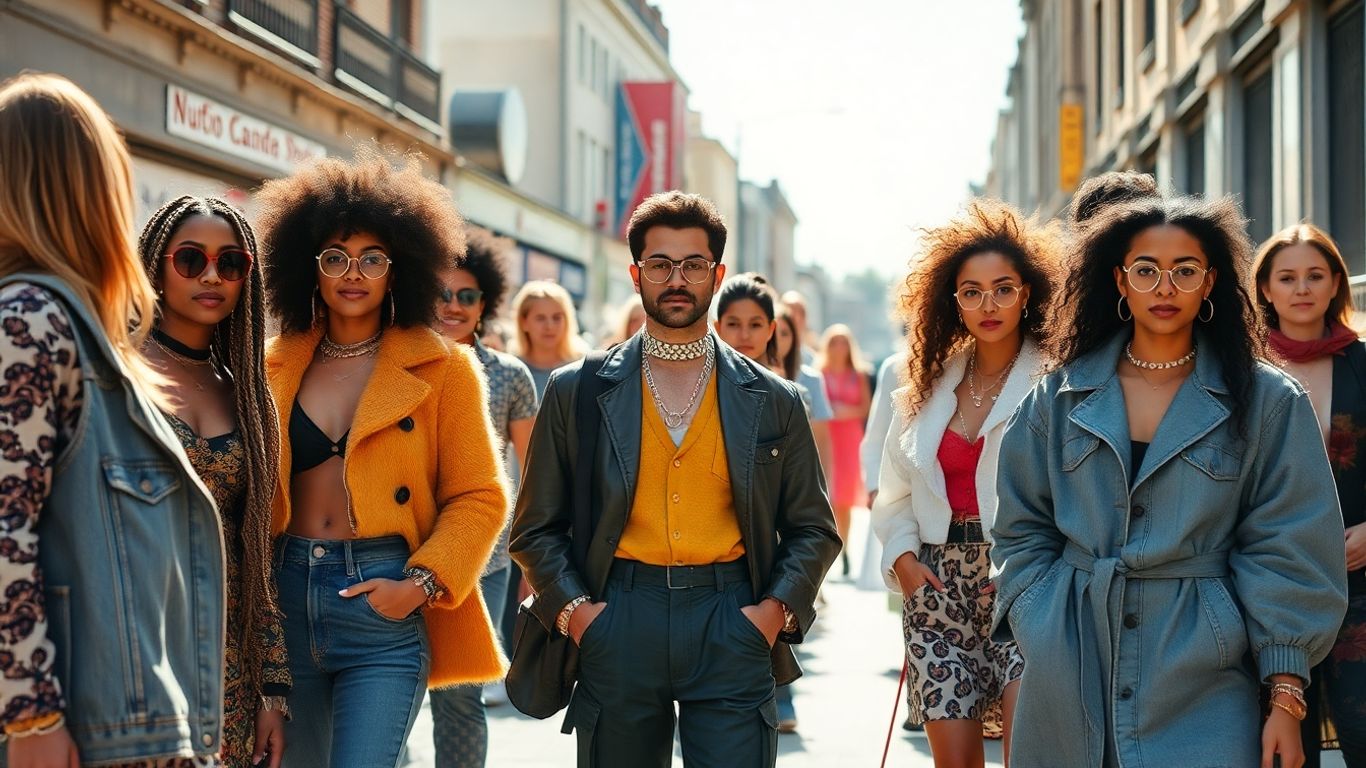
It feels like just yesterday we were flipping through magazines to figure out what was ‘in.’ Now, it’s all about algorithms. These digital tools are pretty amazing at sifting through mountains of data – think social media buzz, online shopping habits, even street style photos – to figure out what’s about to be big in fashion. They’re essentially acting as a super-fast trend spotter. Brands use this info to make smarter decisions about what to produce, which means less wasted clothing and more of what we actually want to wear. It’s a big shift from just guessing what might sell.
Social Media as a Style Barometer
Social media platforms have become a massive influence on what we wear. Every viral outfit, every influencer’s post, it all adds up. Algorithms are constantly watching this activity, picking up on patterns in likes, shares, and comments. This helps them understand what styles are catching on in real-time. It’s like having a constant pulse check on the fashion world, showing us what’s popular right now and what might be next. This constant feedback loop means trends can emerge and spread much faster than before.
Predicting the Next Wave of Fashion
So, how do these algorithms actually predict the future of fashion? It’s a mix of looking at what’s happening now and what has happened before. They analyze past sales data, runway shows, and even cultural events to spot recurring patterns. For example, if certain colors or silhouettes have historically reappeared during specific times of the year or after certain events, the algorithm might flag them as potential future trends. It’s not magic, but it’s pretty close to having a crystal ball for style.
The real power of these tools isn’t just about knowing what’s popular; it’s about understanding the ‘why’ behind it. By looking at broader cultural shifts and consumer behavior, algorithms can offer a more nuanced view of where fashion is headed, moving beyond just surface-level aesthetics.
Personalization Meets Predictive Power
Tailored Recommendations for Unique Tastes
Forget the days of generic style advice. Today, algorithms are getting really good at figuring out what you actually like. They look at what you’ve bought, what you’ve browsed online, and even what you’ve saved on Pinterest. It’s like having a personal shopper who actually gets your vibe. These systems can suggest items that not only fit your current style but also introduce you to new things you might love, based on patterns they see in your choices. It’s a way to discover fashion that feels genuinely you, without having to sift through endless racks or web pages.
Algorithms That Evolve With Your Style
What’s really cool is that these systems aren’t static. They learn as you go. If you start leaning towards more sustainable brands or decide to experiment with brighter colors, the algorithm picks up on that. It’s like a fashion friend who grows with you, adapting its suggestions as your tastes change. This means the recommendations stay relevant, helping you refine your look over time. It’s a dynamic relationship between you and the tech, constantly shaping a style that feels current and personal.
Bridging Individual Expression and Digital Insights
So, how do you keep your own style in the mix when algorithms are involved? It’s all about balance. Think of these digital suggestions as a starting point, not a final decree. That viral dress everyone’s wearing? Maybe you style it with your favorite vintage jacket to make it your own. The goal isn’t to blindly follow what the tech says, but to use it as inspiration. You can mix trending pieces with old favorites or try a new silhouette in a color you already love. True style comes from combining what’s out there with your own creative spark.
The real magic happens when you use these smart tools to expand your fashion horizons, but always filter them through your own intuition and personal taste. It’s about staying informed about what’s happening in fashion while remaining authentically yourself.
Here’s a quick look at how these systems work:
- Data Collection: Algorithms scan social media, online shopping habits, and even street style photos.
- Pattern Recognition: They identify recurring themes in colors, shapes, and fabrics.
- Personalized Output: Based on your history, they suggest items and styles tailored to you.
This approach helps brands reduce waste by predicting demand more accurately, which is a big win for sustainable fashion planning. It means less overstock and a more thoughtful approach to creating clothes.
The Speed of Smart Fashion
From Concept to Collection in Record Time
Remember when fashion seasons felt like they took forever to arrive? Those days are pretty much gone. Now, thanks to smart tech, brands can whip up new styles almost as fast as you can spot them on your feed. AI looks at what everyone’s liking online, what’s popping on the runways, and even what people are wearing on the street. It crunches all this info, and suddenly, a brand knows what you’ll want to wear next week. This means designs can go from a quick sketch to being made and shipped out in just a couple of weeks, sometimes even less. It’s a whole new pace for the industry.
The Impact of Rapid Response Manufacturing
This super-fast production cycle, often called rapid response manufacturing, is a game-changer. It lets brands react instantly to what’s popular. If a certain color or style suddenly blows up on social media, a company can get that exact item into stores (or online) really quickly. This is great for consumers because we get access to the latest looks without waiting months. However, it also puts pressure on how things are made. Brands have to be super efficient to keep up, and sometimes that means cutting corners if they aren’t careful.
Navigating Fast Fashion’s Evolving Landscape
So, where does this leave us? We’re seeing a shift. While the speed is exciting, there’s also a growing awareness about the environmental side of things. People are starting to think more about buying less but better. Brands are trying to balance making trendy clothes quickly with being more responsible. It’s a tricky line to walk.
Here’s a quick look at how this speed impacts things:
- Trend Identification: AI can spot micro-trends that might have been missed before.
- Production Cycles: From idea to finished product can now take weeks, not months.
- Inventory Management: Brands can produce closer to demand, reducing leftover stock.
- Consumer Expectations: We’re getting used to seeing new things arrive all the time.
The whole system is built on being able to change direction on a dime. If a particular design isn’t selling, or if a new trend emerges, the production line can pivot almost immediately. This agility is what makes the ‘smart’ in smart fashion so important.
Innovation Woven into Fabric
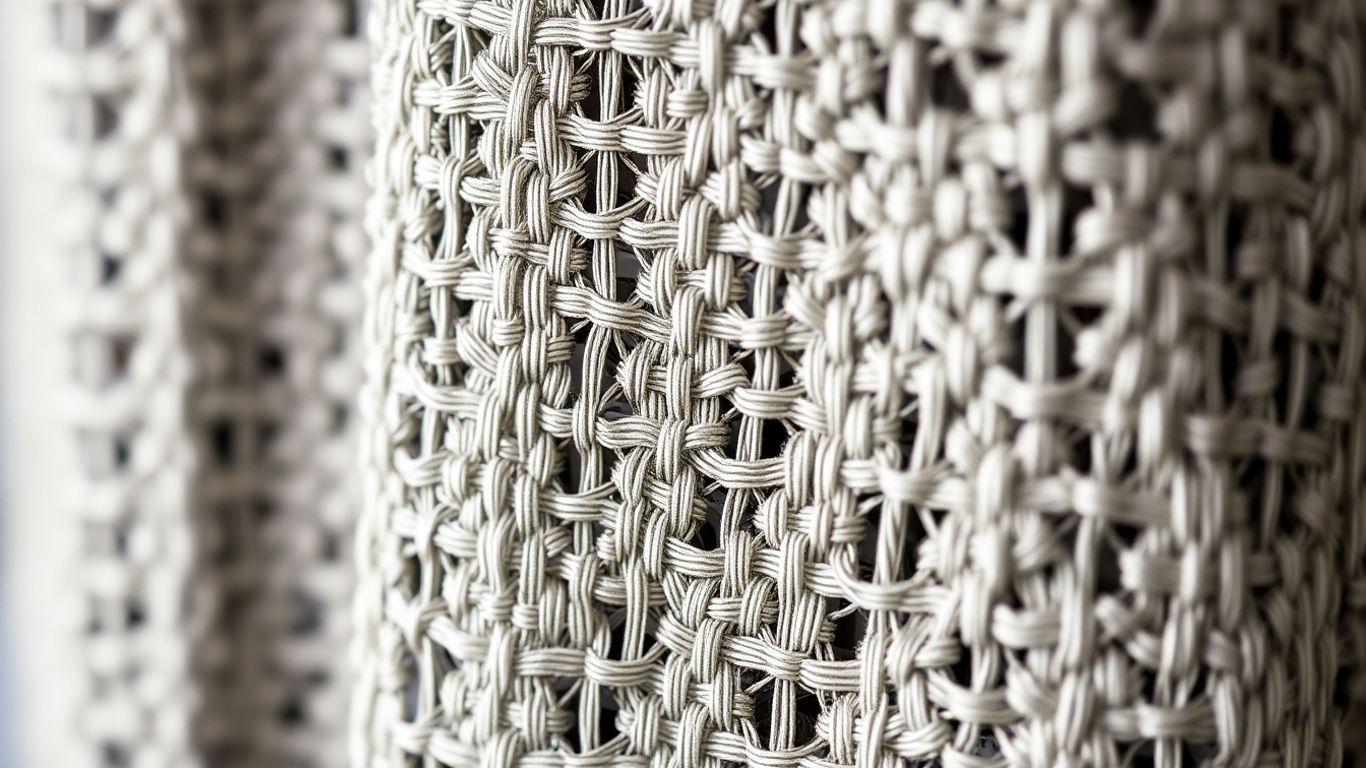
It’s not just about what we wear anymore; it’s about how it’s made and what it can do. The fashion world is getting seriously smart, and a lot of that has to do with new materials and tech that are changing everything from how clothes fit to how they help us. Think of it as fashion getting a brain upgrade.
The Rise of Smart Textiles and Wearable Tech
Remember when wearable tech was just a clunky fitness tracker? Those days are fading fast. We’re now seeing fabrics that can do way more than just cover us up. Some materials can actually monitor your body, like special socks that track your running form and flag potential injuries before they become a big problem. Others are designed to interact with your devices, like jackets with touch-sensitive sleeves that let you control your music without pulling out your phone. It’s like wearing a second skin that’s also a personal assistant.
- Health Monitoring: Fabrics that can track heart rate, body temperature, and even muscle strain.
- Interactive Clothing: Garments with built-in sensors for controlling electronics or providing haptic feedback.
- Adaptive Comfort: Materials that change properties, like breathability or insulation, based on your environment or activity.
Virtual Fitting Rooms Revolutionizing E-commerce
Online shopping is great, but the guessing game of sizing? Not so much. Virtual fitting rooms are stepping in to fix that. Using advanced tech, these systems can map your body with hundreds of measurements, letting you see how clothes will actually look and fit before you buy. This not only saves you the hassle of returns but also cuts down on waste from shipping back unwanted items. Some platforms even let you try on digital-only outfits for social media, blending fashion and tech in a really cool way.
The reduction in returns alone is a huge win for both shoppers and the planet. Less shipping means a smaller carbon footprint, and fewer returned garments mean less textile waste.
AI’s Role in Sustainable Material Discovery
Finding new, eco-friendly materials is a big deal for making fashion more sustainable. AI is stepping in here too, helping researchers sift through massive amounts of data to identify promising new materials or ways to use existing ones more efficiently. It can help design patterns that use fabric with almost no waste, turning sustainability into a kind of math problem that AI can solve. This means less waste in production and a better chance for the industry to become more environmentally friendly.
AI as a Creative Collaborator
It’s pretty wild to think about, but artificial intelligence isn’t just for crunching numbers or predicting what we’ll buy next. Increasingly, AI is becoming a partner in the actual creation of fashion. Designers are finding that these smart systems can actually help them come up with new ideas, refine existing ones, and even bring historical styles back to life in fresh ways. It’s like having a super-smart assistant who’s seen every fashion show, every street style photo, and every vintage archive all at once.
Designers Partnering with Algorithmic Suggestions
Think of AI as a digital muse. It can sift through mountains of data – from social media buzz to sales figures – to spot patterns we might miss. This could be anything from a rising interest in a specific shade of green to a new way people are styling jackets. Designers can then take these data-backed insights and blend them with their own artistic vision. It’s not about letting the computer take over; it’s about using its analytical power to spark new directions. For instance, a designer might feed an AI system images of traditional textiles, and the AI could generate hundreds of new pattern variations inspired by that input, some of which the designer might never have imagined on their own.
Reviving Heritage Through Data-Driven Design
AI is also proving to be a fantastic tool for looking back at fashion history. By analyzing old photographs, historical records, and even museum archives, AI can help identify recurring themes, popular silhouettes, or forgotten craftsmanship techniques. This information can then be used to create modern collections that have a deep connection to the past. Imagine an AI system identifying the most popular sleeve shapes from the 1920s and suggesting how to adapt them for today’s market, or highlighting the intricate embroidery patterns from a specific cultural era that could be reinterpreted for contemporary clothing. This fusion of historical data and modern technology allows for a richer, more informed approach to design.
The Fusion of Code and Couture
Ultimately, AI is changing the very process of how clothes are designed. It’s moving beyond just predicting trends to actively participating in the creative output. We’re seeing AI tools that can generate entirely new garment designs, suggest fabric combinations, or even create unique prints based on specific prompts. This collaboration between human creativity and machine intelligence is leading to fashion that is both innovative and deeply connected to what people want and what has come before. It’s a dynamic partnership that’s pushing the boundaries of what’s possible in the world of style.
Here’s a look at how AI is being integrated:
- Trend Analysis: AI algorithms process vast amounts of visual and textual data from social media, blogs, and e-commerce sites to identify emerging styles, colors, and silhouettes.
- Pattern Generation: Machine learning models can create novel textile patterns and print designs, often inspired by a mix of historical motifs and contemporary aesthetics.
- Silhouette Exploration: AI can generate variations on garment shapes and structures, offering designers new starting points for their collections.
- Material Suggestion: Based on design parameters and trend data, AI can recommend suitable fabrics and material combinations.
Ethical Considerations in Algorithmic Fashion
It’s easy to get swept up in the excitement of AI in fashion, but we really need to talk about the not-so-glamorous side. When algorithms start making big decisions about what we wear, who gets to design it, and how it’s made, some tricky questions pop up. We have to think about who benefits and who might get left behind.
Addressing Data Privacy and Copyright Concerns
Think about all the data these algorithms gobble up – your browsing history, what you like on social media, even your body measurements for virtual try-ons. Where does all that personal information go? Brands are collecting a lot, and it’s important they’re upfront about it and keep it safe. There’s also the whole copyright issue. If an AI designs something that looks a lot like a human designer’s work, who owns it? It’s a legal minefield that’s still being figured out.
- Data Security: How are brands protecting your personal style information?
- Intellectual Property: Who holds the rights to AI-generated designs?
- Transparency: Are companies clear about how they use your data?
The rapid collection of personal style data raises significant privacy questions. Consumers deserve to know how their digital footprint is being used to shape fashion trends and recommendations, and to have control over that information.
The Future of Apparel Jobs in an Automated World
We’re seeing more automation in factories and even in design studios. While this can speed things up and maybe make things cheaper, it also means some jobs might change or disappear. Think about the people who used to manually forecast trends or even model clothes. AI can do some of that now. It’s not just about replacing people, though; it’s also about how we can help workers adapt and learn new skills for this changing landscape. It’s a big shift, and we need to make sure people aren’t just forgotten in the process. We need to consider how to reskill workers for roles that involve working alongside AI, rather than being replaced by it. For instance, the use of AI models in fashion raises questions about the future of human models and potential violations of publicity rights [9fe8].
Ensuring Transparency in AI-Driven Sustainability Claims
Brands are increasingly using AI to talk about how sustainable they are. They might use algorithms to predict demand and reduce waste, or to pick eco-friendly materials. That sounds great, right? But how do we know if it’s true? It’s easy for companies to make big claims, but without clear explanations of how the AI works and what data it’s using, it’s hard for us to tell if their sustainability efforts are genuine or just clever marketing. We need to be able to trust these claims, and that means brands need to be open about their AI processes.
- Verifiable Data: What data supports the sustainability claims?
- Algorithmic Explainability: Can brands explain how their AI leads to greener practices?
- Accountability: Who is responsible if AI sustainability claims are misleading?
The Future is Now, and It’s Styled by You
So, what does all this mean for how we dress? It’s pretty clear that technology, especially AI, is changing fashion in big ways. We’re seeing trends pop up faster, clothes that do more, and even ways to shop that feel made just for us. But the really cool part? It’s not about letting computers tell us what to wear. It’s about using these new tools to help us figure out what we already like and maybe even discover something new about our own style. Think of it as having a really smart friend who’s great at spotting cool outfits, but ultimately, you’re the one picking what goes in your closet. The future of fashion is about blending what the algorithms suggest with what feels right to you, making sure your personal style still shines through.
Frequently Asked Questions
How do fashion brands know what styles people will like?
Brands use smart computer programs that look at tons of pictures and posts from social media, like Instagram and TikTok. These programs find patterns in what people are liking and sharing, helping brands guess what styles might be popular next.
Can computers design clothes?
Yes, in a way! Computers can help designers by suggesting new ideas based on past trends or even creating new fabric patterns. Think of it like a super-smart assistant that gives designers new inspiration.
Does this mean clothes will be made faster?
Yes, because computers can predict trends quickly, companies can make clothes much faster. This means you might see new styles in stores very soon after they become popular online.
Are these computer programs making fashion more personal?
They can! By looking at what you’ve liked or bought before, these programs can suggest outfits or items that fit your personal taste. It’s like having a stylist who knows your preferences.
Are there any downsides to using computers in fashion?
Some people worry that computers might copy designs without permission, or that making clothes so quickly could be bad for the environment. There are also concerns about how many jobs might change as more tasks are done by computers.
What are ‘smart textiles’?
These are fabrics that have technology built into them. For example, some clothes can track your health, or shoes that can tighten themselves using an app. It’s like wearing technology!


