

Figuring out what your hair really needs can feel like a puzzle. Is it curly, wavy, or straight? Honestly, most of us have a mix, and that’s totally okay. The real trick is learning to work with your natural texture instead of against it. This guide is all about helping you understand your hair type and build a routine that makes it look and feel its best. We’ll break down the basics for each type so you can stop guessing and start enjoying your hair.
Key Takeaways
- Understanding your hair’s natural pattern—whether it’s straight, wavy, curly, or coily—is the first step to a better hair care routine.
- Choosing the right shampoo and conditioner that match your hair texture is vital for cleansing and moisturizing without causing damage or dryness.
- Curly hair needs moisture and frizz control, while wavy hair benefits from lightweight products that define its natural S-shape.
- Straight hair often needs help with volume and managing oiliness, so lightweight hydration and volumizing products are key.
- Gentle drying methods, like using microfiber towels and diffusers, along with protective overnight care, can significantly improve hair health and styling.
Understanding Your Unique Hair Type
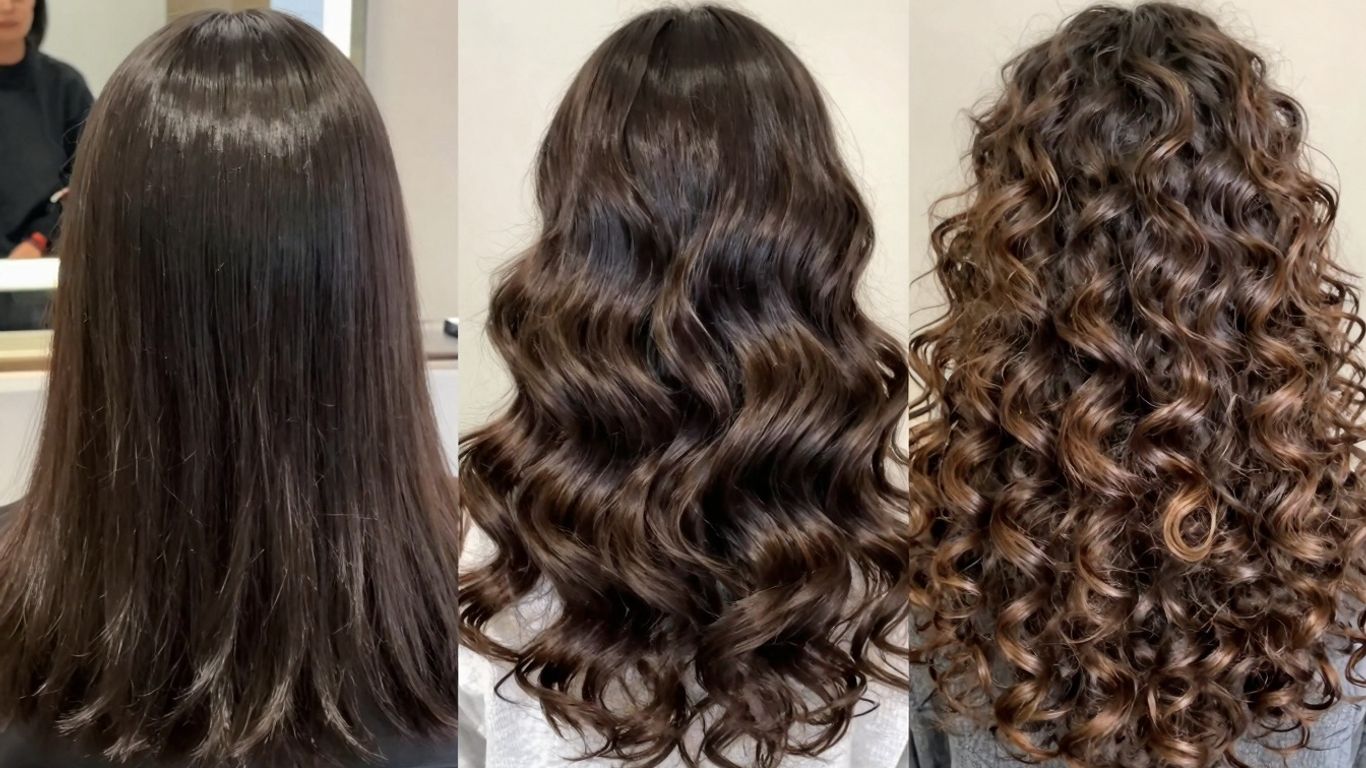
Okay, so before we get into all the fancy styling and product talk, we really need to get to know our hair, right? It sounds obvious, but figuring out what you’re actually working with is the first big step. Think of it like trying to bake a cake – you wouldn’t use a cookie recipe, would you? Hair is kind of the same. It all comes down to understanding your hair’s natural pattern and what it needs to look and feel its best.
The Four Main Hair Categories
Most hair can be sorted into four basic groups. It’s not super complicated, but knowing where you fit helps a ton. It’s like having a cheat sheet for your own head. These categories are pretty standard, and they give us a good starting point.
- Straight Hair: This hair doesn’t really have a bend or wave to it. It just goes. It can be fine or thick, but it usually has a natural shine because the oils from your scalp can travel down the strand easily.
- Wavy Hair: This is the middle ground. It’s not straight, but it’s not a full-on curl either. You’ll see an “S” shape in the strands. It can sometimes get a bit frizzy or lose its shape easily, especially if it’s humid.
- Curly Hair: Here, the hair forms definite loops or spirals. These can range from loose, bouncy curls to tighter ringlets. Curly hair often needs more moisture because the bends in the hair can make it harder for oils to travel down the strand.
- Coily Hair: This is the tightest curl pattern, often forming zig-zag shapes or very tight spirals. Coily hair is usually the driest and most prone to shrinkage and breakage, so it really needs a lot of care and moisture.
Characteristics of Curly Hair
Curly hair, bless its heart, can be a bit of a diva. It’s got that beautiful spiral shape, but because of those twists and turns, it tends to be drier. The natural oils from your scalp have a harder time making their way down the hair shaft. This means frizz is often a big concern, and keeping it moisturized is key. You’ll notice it might feel a bit rougher to the touch compared to straighter hair, and it can sometimes look a little less shiny because the light doesn’t reflect off it as smoothly.
The Nature of Wavy Hair
Wavy hair is kind of the chameleon of hair types. It sits between straight and curly, and it often has a lovely texture that can look effortlessly chic. The “S” shape is its signature. However, wavy hair can be tricky. It might get oily near the roots but dry out at the ends. It also has a tendency to frizz, especially when the weather gets damp. Sometimes, it can fall flat if you use products that are too heavy, making you wonder if you even have waves at all.
Defining Coily Hair
Coily hair is truly special. It has the tightest curl pattern, often looking like little springs or zig-zags. This structure means it’s naturally very dry and can shrink up quite a bit. Because it’s so dry, it needs consistent hydration. Think rich conditioners and oils. It’s also more delicate, so gentle handling is a must to avoid breakage. Protective styles are often a go-to for coily hair to keep it safe and defined.
Straight Hair Explained
Straight hair is pretty straightforward, no pun intended. It lacks any real wave or curl pattern, falling smoothly from the scalp. The biggest advantage here is that scalp oils can easily coat the entire hair strand, giving it a natural shine and making it less prone to dryness. However, this can also mean it gets greasy faster. Straight hair can sometimes lack volume, so people with this type might focus on styles and products that add lift and body without weighing it down.
Understanding your hair type isn’t about putting yourself in a box; it’s about learning what makes your hair happy. Once you know its basic needs – whether it’s moisture, protein, or just a lighter touch – you can pick the right tools and products to make it shine.
Building A Solid Hair Care Foundation
Before you even think about styling, getting the basics right is super important. It’s like building a house – you need a strong base, right? For your hair, that means picking the right shampoo and conditioner. It sounds simple, but it makes a huge difference.
Choosing The Right Shampoo For Your Texture
Shampoo is all about cleansing, but not all cleansers are created equal. What works for one hair type might totally mess up another. For instance, if you have curly or coily hair, you probably want to steer clear of shampoos with harsh sulfates. Sulfates are great at stripping away dirt and oil, but they can also strip away the natural moisture your curls desperately need, leaving them dry and frizzy. Look for sulfate-free options that are gentler and help keep that precious moisture in.
Wavy hair needs a bit of a balance. You want something that cleanses without weighing your waves down. Lightweight, hydrating shampoos are usually a good bet here. They give you that clean feeling while keeping your waves looking bouncy and defined, not flat and sad.
And for straight hair? Well, it tends to get oily faster because those natural oils can just slide right down the hair shaft. So, a volumizing shampoo is often your best friend. It cleanses thoroughly and gives your hair some lift, preventing that dreaded flat, greasy look.
Selecting The Perfect Conditioner
Conditioner is where the magic happens after shampooing. It’s all about nourishing, detangling, and protecting your strands. Think of it as a hug for your hair.
- Curly Hair: Needs serious moisture. Look for rich, creamy conditioners packed with ingredients like shea butter or argan oil. These help smooth the cuticle, reduce frizz, and make detangling a breeze.
- Wavy Hair: Needs hydration but nothing too heavy. A lighter, hydrating conditioner will do the trick. It should provide slip for easy combing without leaving your waves feeling greasy or weighed down.
- Coily Hair: This hair type is often the driest. You’ll want a deeply moisturizing conditioner, maybe even one you can leave in for a bit longer or use as a rinse-out. Ingredients like coconut oil, avocado oil, and fatty alcohols are great.
- Straight Hair: Often needs lighter hydration. A conditioner that adds shine and detangles without being too heavy is ideal. Avoid formulas that are overly rich, as they can make straight hair look greasy quickly.
The Importance Of Deep Conditioning Treatments
Think of deep conditioning as a spa day for your hair. While your regular conditioner is great for daily use, deep conditioners are more intense treatments that provide a serious boost of moisture and repair. They’re especially beneficial for hair that’s dry, damaged, or chemically treated. You can find them in various forms, from masks to treatments you leave on for 10-30 minutes (or even overnight!).
Regular deep conditioning can significantly improve hair’s elasticity, reduce breakage, and make it feel much softer and look healthier. It’s a step that many people skip, but it really does make a noticeable difference, especially for textured hair types.
Utilizing Leave-In Conditioners And Serums
After washing and conditioning, a leave-in conditioner or serum can be your secret weapon. These products are designed to stay in your hair, providing ongoing benefits like extra moisture, frizz control, and protection from environmental stressors. For curly and coily hair, leave-ins are fantastic for adding that extra layer of hydration and helping to define curls. For wavy hair, they can help tame frizz and add a bit of smoothness. Even straight hair can benefit from a lightweight leave-in or serum to add shine and make it easier to manage.
| Hair Type | Best For | Key Benefits |
|---|---|---|
| Curly | Moisture Retention, Frizz Control | Softness, Definition, Manageability |
| Wavy | Lightweight Hydration, Smoothness | Bounce, Reduced Frizz, Shine |
| Straight | Shine, Detangling, Light Hydration | Smoothness, Volume, Healthy Appearance |
Tailoring Routines For Curly Hair
Embracing Natural Curl Patterns
Curly hair is a whole different ballgame, isn’t it? It’s like each strand has its own personality. Understanding and working with your natural curl pattern is the first big step. Forget trying to force your hair into something it’s not. Instead, let’s figure out what makes your curls pop. You’ve got everything from loose waves to tight coils, and each needs a slightly different touch. The goal here is to work with your hair’s natural shape, not against it. This means paying attention to how your hair clumps together and what makes those curls spring to life.
Moisture Retention For Curls
Curly hair tends to be drier than other hair types. This is because the natural oils from your scalp have a harder time traveling down the spiral of your hair shaft. So, keeping moisture locked in is super important. Think of it like giving your hair a big drink of water. You want to use products that add hydration and then seal it in.
Here’s a quick rundown of what helps:
- Cleansing: Go for sulfate-free shampoos. They clean without stripping away all your hair’s natural oils. You might even find you can wash your hair less often, which is a win-win.
- Conditioning: Always follow up with a good conditioner. Look for ingredients like shea butter, glycerin, or natural oils. Don’t be afraid to really work it in, especially on the ends.
- Deep Treatments: These are your curly hair’s best friend. Aim for a deep conditioning mask or treatment at least once a week. It’s like a spa day for your hair.
Keeping your curls hydrated is key to preventing frizz and breakage. It makes them look and feel so much better.
Frizz Control Techniques
Ah, frizz. The bane of many a curly person’s existence. It happens when the hair cuticle is raised, letting in humidity and making hair look fuzzy. The good news is, you can tame it. It often comes down to how you handle your hair, especially when it’s wet, and the products you use.
- Gentle Drying: Ditch the rough terrycloth towel. Grab a microfiber towel or even a soft cotton t-shirt to gently squeeze out excess water. Rubbing creates friction, and friction equals frizz.
- Product Application: Apply your styling products to wet hair. This helps to smooth down the cuticle and lock in moisture. Serums, curl creams, and gels can all help create a barrier against humidity.
- Avoid Over-Touching: Once your hair is styled and drying, try not to touch it too much. Constantly running your fingers through it can disrupt the curl pattern and encourage frizz.
Enhancing Curl Definition
Getting those beautiful, defined curls is all about encouraging them to clump together. When curls clump, they look more polished and less frizzy. This is where styling products really shine.
- Curl Creams: These are great for adding moisture and helping curls form nice, cohesive clumps. They often have a lighter hold.
- Gels: Gels provide more hold and can really help set your curl pattern. Look for ones that don’t leave your hair feeling stiff or crunchy. You can often scrunch out a bit of the crunch once your hair is fully dry to reveal soft, defined curls.
- Technique: Try the “praying hands” method or “raking” your products through your hair to encourage curl formation. Then, gently scrunch your hair upwards towards the scalp to help those curls spring up.
Crafting The Ideal Wavy Hair Routine

So, you’ve figured out your hair isn’t exactly straight, but it’s not full-on curly either. Welcome to the wonderful world of wavy hair! It’s a texture that often gets overlooked, but honestly, it has so much potential. For years, I just blew my hair dry or used a curling iron, trying to force it into something it wasn’t. The result? Dryness, frizz the second it got humid, and a general struggle. But once I started treating my waves like, well, waves, things changed. Wavy hair is basically a looser curl pattern, and like its curlier cousins, it needs a bit of special attention to really shine. Think of this routine as a slightly tweaked version of the curly girl method – similar ideas, but with a focus on what waves specifically need.
Enhancing Natural Waves
Getting your natural waves to pop is all about encouraging that ‘S’ shape without weighing them down. Air-drying is your best friend here. After washing, gently squeeze out excess water with a microfiber towel or even a soft t-shirt – these are way gentler than regular terrycloth towels. Then, scrunch in a lightweight curl-defining cream or a mousse designed for waves. This helps form those lovely ‘S’ shapes and gives them some hold. Don’t be afraid to experiment with different products; what works for one person might not work for another. Some people find that braiding their damp hair overnight can also help set a nice wave pattern.
Balancing Moisture And Protein
Wavy hair can be a bit tricky because it needs moisture, but too much heavy product can make it limp. It also benefits from a little protein now and then to keep it strong. So, the trick is finding that sweet spot. Alternate between hydrating masks and treatments that have a bit of protein. You don’t need a super heavy mask every week, but a good moisturizing one once a week or every other week can make a big difference. If your hair feels a bit weak or mushy, a protein treatment might be in order. If it feels dry and rough, go for moisture.
Lightweight Styling For Waves
This is where you really bring out the best in your waves. The key is lightweight. Heavy creams or gels can make wavy hair look greasy or flat. Instead, look for products like mousses, sea salt sprays, or light curl creams. These give your waves definition and hold without that heavy feeling. After applying your styling product, try scrunching your hair upwards towards your scalp. This motion helps encourage the wave pattern. If you’re blow-drying, use a diffuser attachment on a low heat and speed setting. This helps dry your hair without messing up the wave pattern you’ve worked to create.
Combatting Frizz In Humid Conditions
Ah, humidity. The arch-nemesis of many wavy hair types. Because the cuticle on wavy hair isn’t always perfectly smooth, it tends to soak up moisture from the air, leading to frizz. The best defense is a good offense, which means keeping your hair as moisturized and sealed as possible. Always use a leave-in conditioner after washing. This adds an extra layer of hydration and helps smooth the cuticle. When you style, a good quality mousse or a light anti-frizz serum can create a barrier against humidity. Some people also find that finishing with a light hairspray helps lock their style in place and keep frizz at bay. Remember, the goal is to keep your hair’s own moisture in and the environmental moisture out.
Optimizing Care For Straight Hair
Straight hair, often categorized as Type 1 (1a, 1b, 1c), has a smooth texture and lacks natural bends or waves. Because natural oils from your scalp can easily travel down the hair shaft, straight hair tends to get oily faster than other types. The goal here is to keep it looking fresh, add some life, and manage that shine without weighing it down.
Adding Volume To Straight Strands
Flat, limp hair is a common complaint among those with straight locks. To combat this, focus on lightweight products that lift the hair at the roots. Volumizing shampoos and conditioners are your best friends. When blow-drying, try flipping your head upside down or using a round brush to lift the roots as you dry. Even a quick blast of cool air at the end can help set the volume.
- Use volumizing shampoos and conditioners.
- Flip your head upside down while blow-drying.
- Consider a root-lifting spray for extra oomph.
Managing Oiliness At The Scalp
That quick transition to oily hair means you need to be mindful of what you’re putting on your scalp. Avoid heavy, creamy conditioners near the roots; instead, concentrate them on the mid-lengths and ends. Dry shampoo can be a lifesaver for absorbing excess oil between washes. A good clarifying shampoo every few weeks can also help remove any buildup that might be contributing to greasiness. Remember, a healthy scalp is key to healthy hair, and that includes keeping it clean without stripping it completely.
Keeping your scalp clean and balanced is just as important as the strands themselves. Over-washing can actually signal your scalp to produce more oil, so finding that sweet spot is important.
Lightweight Hydration For Shine
While you want to avoid heavy products, straight hair still needs moisture to look healthy and shiny. The trick is to use lightweight formulas. Look for serums or sprays that are specifically designed for shine without being greasy. A little goes a long way, so start with a small amount and add more if needed. This type of hydration helps smooth the cuticle, reflecting light and giving your hair that desirable glossy finish. You can find some great options for straight hair types that won’t weigh you down.
Pre-Wash Oiling For Health
This might sound counterintuitive when dealing with oiliness, but a pre-wash oil treatment can actually be beneficial. Applying a light oil to your hair about 30 minutes before you shampoo can help protect your strands from being stripped of all their natural oils during cleansing. It also helps to detangle and add a bit of slip, making your wash day a little smoother. Focus the oil on the lengths and ends, avoiding the scalp if you’re particularly prone to greasiness. This step can contribute to overall hair health and improve manageability.
Styling Products That Elevate Your Look
Okay, so you’ve got your shampoo and conditioner sorted, and maybe you’re even doing those deep conditioning treatments. That’s awesome! But what about the stuff you use after washing? This is where the real magic happens, turning your hair from just clean to styled. Picking the right products can totally change how your hair looks and feels, and honestly, it doesn’t have to be complicated.
Curl Creams And Gels For Definition
If you have curly hair, you know the struggle. Sometimes your curls look amazing, and other times they’re just… there. That’s where curl creams and gels come in. Think of them as your curl’s best friend. Curl creams are usually lighter and great for adding moisture and a bit of hold, helping your curls clump together nicely. Gels, on the other hand, tend to offer a stronger hold, which is fantastic for keeping your curls defined and fighting off frizz, especially if you’re dealing with humidity. The key is to apply these products to wet hair. Seriously, don’t wait until it’s even slightly dry. The wetter, the better. This helps the product distribute evenly and really lock in that curl pattern. You can scrunch it in, or if you’re feeling fancy, use a diffusing technique with your hairdryer.
Texturizing Sprays For Waves
For my wavy-haired friends, sometimes you just want that effortless, beachy look, right? Texturizing sprays are your secret weapon. They add grit and volume, making your waves look more lived-in and less… well, just wavy. You can spray it on damp hair before you style, or even on dry hair for a quick refresh. It’s perfect for getting that slightly tousled,
Gentle Drying And Maintenance Techniques
Okay, so you’ve figured out your hair type and picked out some awesome products. Now comes the part where we actually dry and keep your hair looking good between washes. This is where a lot of people mess up, honestly. Being rough with your hair, especially when it’s wet, can lead to frizz and breakage, which is the last thing anyone with curls, waves, or even straight hair wants.
The Benefits Of Microfiber Towels
Forget those rough cotton towels you’ve been using. They’re like tiny little sandpaper for your hair strands. When your hair is wet, it’s at its most vulnerable. Using a regular towel can rough up the cuticle, leading to frizz and tangles. Microfiber towels, on the other hand, are super soft and absorbent. They soak up excess water without causing friction. This means less frizz and less damage. It’s a simple switch, but it makes a big difference.
Air-Drying Vs. Heat Styling
Ideally, letting your hair air dry is the gentlest option. It completely avoids heat damage. However, I get it, sometimes you just don’t have hours to wait for your hair to dry. If you must use heat, always, always, always use a heat protectant spray first. It’s like a shield for your hair. Think of it as putting on sunscreen before you go out in the sun – you wouldn’t skip that, right? Same idea here.
Using Diffusers For Texture
If you’re blow-drying, especially if you have waves or curls, a diffuser is your best friend. It’s that weird-looking attachment for your hairdryer. Instead of blasting hot air directly onto your hair, a diffuser spreads it out more evenly. This helps to dry your hair without messing up your natural texture or creating a ton of frizz. You can gently cup sections of your hair in the diffuser and hold it there to dry. It really helps define curls and waves.
Protecting Curls Overnight
Sleeping can be rough on your hair. Your hair rubs against your pillowcase all night, which can cause frizz, tangles, and flatten your style. For curly and wavy hair, this is a big no-no. A silk or satin pillowcase is a good start, but for extra protection, consider a silk or satin bonnet or scarf. It keeps everything in place and reduces friction. For straight hair, it can help maintain volume and prevent kinks.
Here’s a quick rundown of drying tips:
- Squeeze, don’t rub: Gently squeeze excess water out with your microfiber towel.
- Less heat is more: Air dry whenever possible. If using heat, always apply a protectant.
- Diffuser power: Use a diffuser attachment for blow-drying to distribute heat and define texture.
- Overnight care: Protect your hair with a silk/satin bonnet or pillowcase.
Taking a little extra time and care during the drying and maintenance phase can really pay off. It’s not just about how your hair looks right after washing, but how it holds up throughout the week. Small habits, like using the right towel or protecting your hair at night, add up to healthier, happier hair.
Your Hair, Your Rules
So, there you have it. Figuring out your hair type and what it really needs can feel like a puzzle sometimes, right? But once you get the hang of it, it’s actually pretty cool. You learn what makes your hair happy, what makes it frizz, and what products actually do what they say they’ll do. It’s not about fighting your hair, it’s about working with it. Whether you’ve got sleek straight strands, bouncy waves, or coils that do their own thing, taking a little time to understand your hair’s needs makes a big difference. Keep experimenting, stay patient, and enjoy the journey to your best hair days.
Frequently Asked Questions
What are the main hair types?
Hair usually falls into four main groups: straight, wavy, curly, and coily. Each type has its own special needs when it comes to care and styling.
Why is moisture so important for curly and coily hair?
Curly and coily hair has a shape that makes it harder for natural oils from the scalp to travel down the hair strand. This means these hair types tend to get dry more easily and need extra moisture to stay healthy and look their best.
Can I use the same products for wavy and straight hair?
Not usually. Wavy hair often needs products that add texture and moisture without making it flat. Straight hair can get oily easily, so it usually does better with lightweight, volumizing products.
What’s the difference between wavy and curly hair routines?
While both need moisture, wavy hair routines often focus on enhancing the ‘S’ shape without weighing it down. Curly hair routines focus more on defining individual curls and preventing frizz.
How can I make my straight hair look more voluminous?
For straight hair, try using volumizing shampoos and conditioners. Lightweight mousses or serums applied at the roots can also help lift your hair and give it more body.
Is it okay to use heat on my hair?
Using heat tools like blow dryers or straighteners can be okay, but it’s best to use them sparingly. Always apply a heat protectant spray first to shield your hair from damage and dryness.


Very good i like it
wish you best and best
wish you all the best
Thank you for reading, I appreciate it.