Power Dressing: Outfits That Boost Confidence at Work
Ever feel like your outfit could give you a little extra pep in your step at work? It’s true, what you wear can really change how you feel and how others see you. We’re talking about “Outfits That Boost Confidence at Work.” It’s not just about looking good; it’s about feeling powerful and ready to tackle anything the day throws at you. Let’s explore how to build a wardrobe that makes you feel like a million bucks, from understanding the basics to picking out those perfect finishing touches.
Key Takeaways
- Power dressing is about choosing clothes that make you feel confident and capable, reflecting your personal style while respecting your workplace.
- The fit of your clothes is super important; well-fitting items can make a big difference in how you present yourself.
- Colors can affect how people see you and how you feel, so think about color psychology when picking your outfits.
- Investing in classic, good-quality pieces that last is smarter than constantly chasing trends.
- Don’t forget the details – accessories and small touches can really complete your look and add to your professional image.
Understanding the Core of Power Dressing

Defining Power Dressing for Modern Professionals
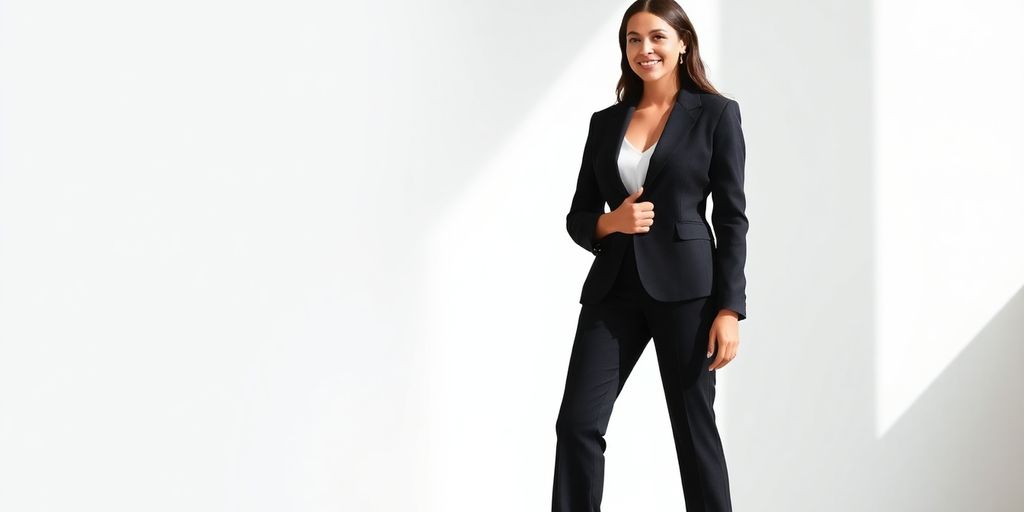
Power dressing today isn’t just about mimicking men’s suits like it was back in the day. It’s really about finding clothes that make you feel good about yourself and ready to tackle whatever your workday throws at you. Think of it as your personal armor, but way more stylish. It’s about blending what makes you feel confident with what’s appropriate for your job. So, a sharp blazer with some comfortable, well-fitting trousers can be just as powerful as a full suit, depending on your vibe and your workplace.
The Psychological Impact of Your Work Wardrobe
What you wear can seriously mess with your head, in a good way! When your outfit fits right and you feel put-together, it’s like a little confidence boost that starts from the outside and works its way in. It can make you stand a bit taller, speak a bit clearer, and generally feel more capable. It’s not just about looking professional to others; it’s about convincing yourself that you’ve got this. That feeling can really change how you approach challenges and interact with people at work.
The clothes we choose for work are more than just fabric; they’re a statement about how we see ourselves and how we want to be seen. It’s a way to communicate competence and self-assurance before you even say a word.
Beyond Trends: Authenticity in Professional Attire
While trends come and go, the real power in your work wardrobe comes from being true to yourself. Sure, you want to look polished and professional, but that doesn’t mean you have to wear something that feels completely unnatural. Finding pieces that align with your personal style while still fitting your workplace’s expectations is key. It’s about creating a look that feels authentic to you, so you’re not just playing a role, but genuinely feeling like the best version of yourself at work.
Key Elements for Confidence-Boosting Outfits
So, you want to feel more confident at work? It’s not just about the big stuff; the clothes you pick each morning actually play a pretty big role. Think of your outfit as your personal armor, ready to help you tackle the day. It’s about finding those pieces that make you stand a little taller and feel ready for anything.
The Crucial Role of Impeccable Fit
Let’s be real, clothes that don’t fit right are just distracting. They can make you feel self-conscious, pulling at seams or gaping in weird places. Getting your clothes to fit well is probably the most important step to looking and feeling put-together. It doesn’t mean everything has to be skin-tight or super loose; it’s about finding that sweet spot where the fabric drapes nicely and follows your body’s shape without being restrictive. Even simple things like making sure your sleeves hit the right spot on your wrist or that your trousers aren’t pooling around your ankles can make a huge difference. It shows you pay attention to detail, and honestly, it just feels better.
Leveraging Color Psychology in Your Choices
Colors have a way of talking to us, even if we don’t realize it. Certain colors can actually influence how you feel and how others react to you. For instance, blues often give off a calm, reliable vibe, while reds can signal energy and assertiveness. Think about what message you want to send. If you have a big presentation, maybe a strong, confident color like a deep blue or a rich burgundy could be your go-to. It’s not about wearing a full rainbow, but strategically picking colors that support your mood and the situation.
Here’s a quick look at some common color associations:
- Blue: Trustworthy, calm, dependable
- Gray: Neutral, sophisticated, balanced
- Black: Powerful, elegant, authoritative
- Red: Bold, energetic, passionate
- Green: Growth, harmony, stability
Structured Silhouettes for a Commanding Presence
There’s something about clean lines and defined shapes that just screams ‘I’ve got this.’ Structured clothing, like a well-tailored blazer or a pencil skirt, creates a strong visual outline. This kind of silhouette can make you appear more organized and in control. It’s not about being stiff or uncomfortable, but about choosing pieces that have a bit of shape and hold their form. Think about a jacket that nips in at the waist or trousers with a crisp crease – these details add polish and project an image of competence. It’s like building a strong frame for your professional image.
Building Your Foundation of Professional Style

Investing in Timeless, Classic Pieces
Think of your wardrobe as a long-term investment, not just a collection of clothes you wear today. Building a solid foundation means focusing on pieces that don’t fade with fleeting trends. These are the items that can be mixed and matched endlessly, giving you a polished look no matter the occasion. Investing in quality means these pieces will last, saving you money and hassle in the long run. It’s about creating a versatile base that truly works for you.
Understanding Your Workplace Dress Code
Before you buy anything, take a good look around your office. What are most people wearing? Is it suits, business casual, or something more relaxed? Knowing the unwritten rules of your workplace is key to dressing appropriately. You don’t want to be the one who stands out for the wrong reasons. Aim to align with the general vibe, perhaps leaning slightly more polished if you’re unsure. This shows you respect the environment and understand professional norms. It’s always better to be a little overdressed than underdressed.
The Power of Quality Over Quantity
It might be tempting to fill your closet with lots of trendy, inexpensive items, but that often leads to a wardrobe full of clothes you don’t really love or that fall apart quickly. Instead, try to buy fewer, better things. Focus on fabrics that feel good and construction that looks neat. A well-made blazer, a crisp button-down shirt, or a pair of tailored trousers in a good fabric will serve you much better than several flimsy alternatives. Think about how these pieces make you feel; good quality often translates to feeling more put-together and confident. Building a capsule wardrobe is a great way to start focusing on quality.
Here’s a quick way to think about it:
| Item Type | Focus On |
|---|---|
| Tops | Good fabric, neat seams, flattering cut |
| Bottoms | Proper fit, durable material, clean lines |
| Outerwear | Tailoring, quality lining, good buttons |
| Shoes | Comfort, polish, sturdy construction |
Elevating Your Look with Strategic Details
Sometimes, it’s the little things that make the biggest difference, right? When you’re aiming for that polished, confident vibe at work, paying attention to the details is where the magic happens. It’s not just about the main pieces, but how you put them all together.
The Impact of Statement Pieces
Statement pieces are like the exclamation points of your outfit. They’re those items that grab attention, adding a pop of personality and flair. Think a really interesting necklace, a brightly colored scarf, or even a pair of unique shoes. The trick here is balance. You want your statement piece to stand out, but not so much that it distracts from you or your work. It should complement your look, not overpower it. Choosing one or two well-placed items can really make your outfit memorable.
Mastering the Art of Accessory Selection
Accessories are the finishing touches that can totally transform an outfit. They’re what tie everything together and add that extra layer of sophistication. When picking accessories, consider your workplace’s general vibe. Are bold, chunky pieces okay, or is it more of a subtle, classic look? For a professional setting, it’s often best to stick with items that are elegant and not too flashy. A well-chosen watch, a simple bracelet, or a classic pair of earrings can make a big impact. Remember, less can often be more when it comes to professional accessories. You want them to add to your look, not take away from it. For some great ideas on professional accessories, you might want to check out minimalist jewelry options.
Subtle Touches That Convey Authority
Beyond the obvious, there are smaller details that can really communicate a sense of authority and competence. This includes things like ensuring your shoes are always polished, your bag is in good condition, and any visible tailoring is neat. Even the way you carry yourself, which is influenced by how comfortable and confident your clothes make you feel, plays a part. It’s about presenting a complete picture of professionalism. Think about these elements:
- Impeccable Grooming: Clean nails, tidy hair, and well-maintained personal hygiene are non-negotiable.
- Quality Hosiery (if applicable): No runs or snags! This applies to socks for men too.
- A Well-Organized Bag: Whether it’s a briefcase or a tote, keeping it tidy shows you’re organized.
These small details often go unnoticed consciously, but they contribute significantly to the overall impression of competence and attention to detail. They signal that you care about how you present yourself and, by extension, your work.
It’s these thoughtful additions that really pull your look together and help you feel ready to take on anything the workday throws your way.
Practical Strategies for a Powerful Wardrobe
Choosing Clothes That Reflect Your Personality
It sounds simple, but really, picking outfits that feel like you is a big deal. When you wear something that genuinely reflects your personality, it’s like putting on a second skin that just feels right. This isn’t about chasing trends or trying to be someone you’re not; it’s about finding clothes that make you feel comfortable and authentic. Think about what makes you feel good, what colors you’re drawn to, and what styles align with your personal vibe. When your clothes match your inner self, that confidence naturally shines through.
Ensuring Comfort for All-Day Confidence
Let’s be honest, if your outfit is pinching, too tight, or just plain itchy, you’re not going to feel your best. Comfort is actually a huge part of looking and feeling powerful. You want clothes that move with you, not against you. This means paying attention to fabric quality and how things feel against your skin. If you’ve got a busy day ahead, running from meeting to meeting, you need to know your clothes won’t be a distraction. Choosing breathable fabrics and cuts that allow for easy movement can make a world of difference in how you tackle your day.
The Importance of Feeling Good in Your Clothes
Ultimately, the goal is to feel good. It’s not about the price tag or the brand name; it’s about how an outfit makes you feel about yourself. When you put something on and think, “Yes, this is it,” that’s the sweet spot. This feeling can boost your self-esteem and your motivation, making you more ready to take on whatever your workday throws at you. It’s about creating a positive feedback loop: wear something that makes you feel good, and that good feeling helps you perform better.
Here’s a quick checklist to help you pick the right outfit:
- Does it fit well? Not too tight, not too loose.
- Is the fabric comfortable and breathable?
- Does it align with your personal style?
- Does it make you feel confident and capable?
- Is it appropriate for your workplace environment?
Your wardrobe should be a tool that helps you feel your best, not a source of stress. When you feel good in what you’re wearing, it shows in your demeanor and your interactions.
The Long-Term Benefits of Dressing for Success
Cultivating Confidence for Career Advancement
Think of your work wardrobe as an investment, not just in clothes, but in yourself. When you consistently choose outfits that make you feel capable and put-together, it really starts to add up. It’s not just about looking the part; it’s about feeling the part. This internal shift can make you more willing to take on challenging projects or speak up in meetings. Over time, this consistent self-assurance can really help you move forward in your career. People notice when you carry yourself with that extra bit of confidence.
Making a Lasting Professional Impression
Your appearance is often the first thing people notice, and it sets a tone before you even say a word. A well-thought-out outfit communicates that you take your role seriously and pay attention to detail. This can influence how colleagues, clients, and superiors perceive your competence and reliability. It’s like a silent handshake that says, “I’m prepared and I mean business.”
Here’s a quick look at how different aspects can contribute:
| Outfit Element | Impression Conveyed |
|---|---|
| Tailored Suit | Authority, Seriousness |
| Crisp Blouse | Professionalism, Polish |
| Polished Shoes | Attention to Detail |
The Transformative Power of Your Visual Resume
Your clothing acts as a sort of visual resume, offering a preview of your professionalism and personal brand. When your attire aligns with your career goals and the workplace culture, it reinforces your message of competence and ambition. It’s about presenting the best version of yourself, consistently. This visual consistency can build trust and credibility over time, making you a more memorable and respected professional.
Dressing well isn’t about vanity; it’s about strategic self-presentation. It’s a tool that, when used thoughtfully, can significantly impact how you’re perceived and, more importantly, how you feel about yourself and your capabilities in the workplace.
Putting It All Together
So, we’ve talked a lot about how what you wear can really change how you feel and how others see you at work. It’s not just about looking good; it’s about feeling ready to take on whatever comes your way. Picking out clothes that fit well, feel comfortable, and show off a bit of your personality can make a big difference in your day. Remember, your wardrobe is a tool to help you feel your best, and when you feel your best, you can do your best work. It’s about finding that sweet spot between looking professional and staying true to yourself. Go out there and dress in a way that makes you feel powerful.
Frequently Asked Questions
What exactly is ‘power dressing’?
Power dressing is all about picking clothes that make you feel good and look professional. It’s not just about wearing suits; it’s about choosing outfits that help you feel confident and capable at work, showing others you’re serious about your job.
How can my clothes make me feel more confident?
When you wear clothes that fit well and you really like, it’s like a secret confidence boost! It’s called ‘enclothed cognition.’ Basically, looking good helps you feel good, which can make you speak up more and do better at work.
Should I just copy what everyone else wears?
While it’s good to know your workplace’s dress code, the main idea is to pick clothes that show off your own style and make you feel like yourself. Being true to yourself while looking professional is key.
What are some ‘classic pieces’ I should have?
Think of timeless items like a well-fitting blazer, smart trousers or a skirt, and nice button-down shirts. These are like the building blocks for many great outfits that always look good.
Does the color of my clothes really matter?
Yes, colors can send messages! For example, certain colors might make you seem more powerful or approachable. Thinking about color psychology can help you choose outfits that send the right signals.
How important is the fit of my clothes?
Fit is super important! Clothes that fit you just right make you look more put-together and feel more comfortable. It’s better to have a few well-fitting items than many that don’t fit properly.